

I was fortunate to be invited to attend a Remembrance Day service by the Depute Provost of Edinburgh, Councillor Lezley Marion Cameron, at the Hearts’ Memorial Clock. The wet conditions didn’t interfere with a beautiful service, led by the chaplain of Hearts Football Club. He reminded us that, in the First World War, many members of the team signed up to fight in the war, sacrificing their chances of winning the championship in 1914 and several of them ultimately sacrificing their lives. A piper played as representatives of numerous organisations laid wreaths around the clock, remembering Edinburgh lives lost in war.

In this 80th year after the end of the Second World War, I want to remember not just British forces but also our allies in the Far East war, China. Today when we think of China we think of:
- Chinese students at our universities: 167,000 in 2023/24 came from China and Hong Kong (Higher Education Statistics Agency), a large increase since 2014/15 and second only to India in terms of overseas students
- China (including Hong Kong) is the UK’s third largest trading partner for goods and services after the US (£310.4 billion) and Germany (£144.7 billion), with total trade amounting to £125.2 billion in the year ending Q2 2025 (China Britain Business Council)
- Chinese-owned firms across services, manufacturing and energy employed over 57,000 people in the UK and generated £98.7 billion in revenue in 2024, while British exports to China supported an estimated 370,800 jobs in the UK in 2020 (CBBC).
- Almost 650,000 Chinese tourists visited the UK in 2024 (CBBC) while relatively few Brits visit China.
- In the news we tend to only see the political face of China. Imagine how you would feel about the UK if you were a foreigner only seeing a few headlines!
The post-war ascendancy of Japan as an economic and political ally of the West and the disappearance of China behind the Communist “bamboo curtain” has perhaps led us to forget the importance of our relationship with China during the Second World War. It’s estimated that as many as 20 million Chinese lives were lost during the war, many of them through famine and disease, along with appalling atrocities such as the rape of Nanjing.
Remember that Japan’s full scale invasion of China began in 1937, yet they only began to receive Allied support after the Pearl Harbor attack in December 1941. China, with its defending troops (eventually supported by US and British & Commonwealth forces) and challenging terrain, kept approximately half the Japanese military forces engaged throughout the war. If the Allies had faced the full force of Japan’s military might in South East Asia, things might have gone differently.
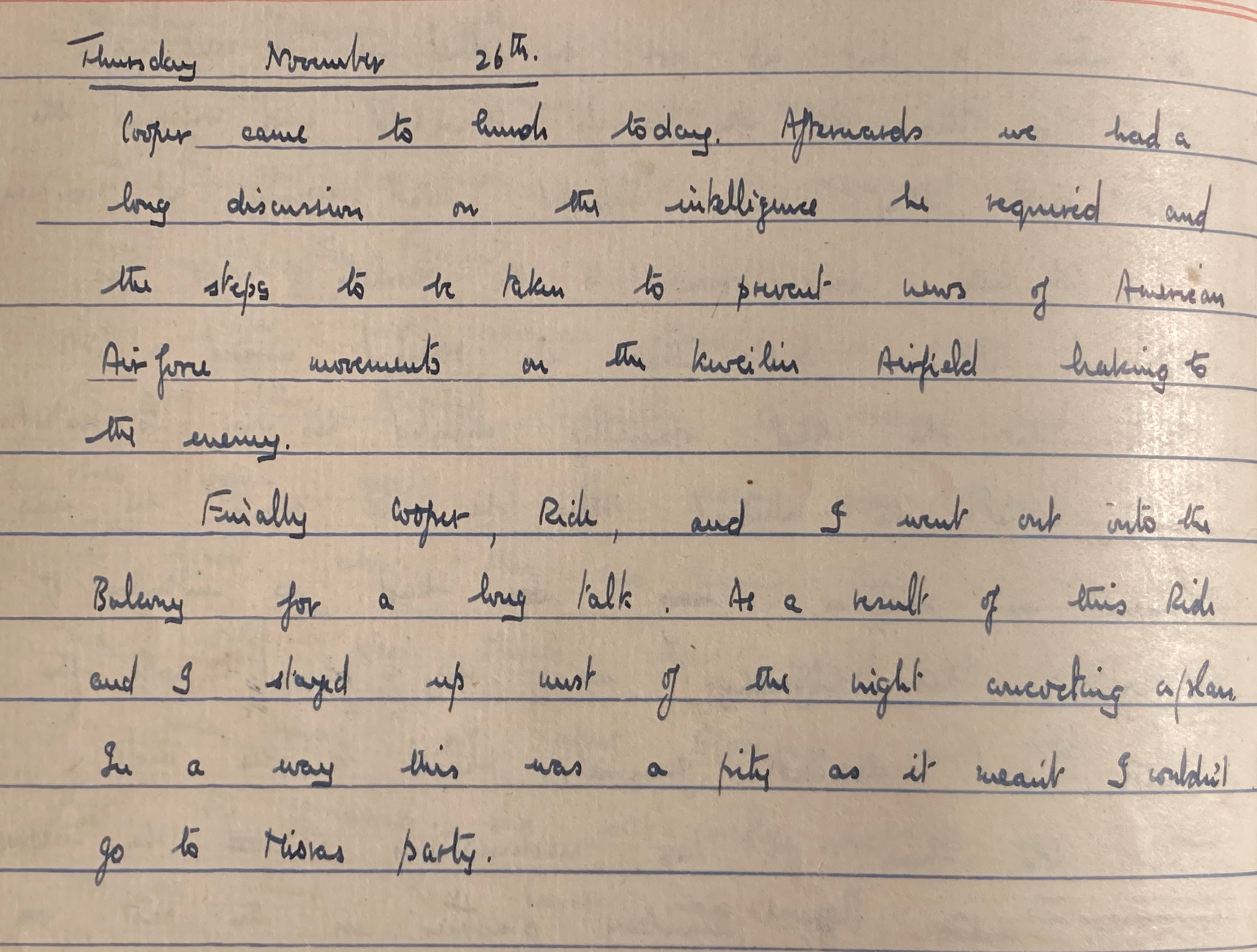
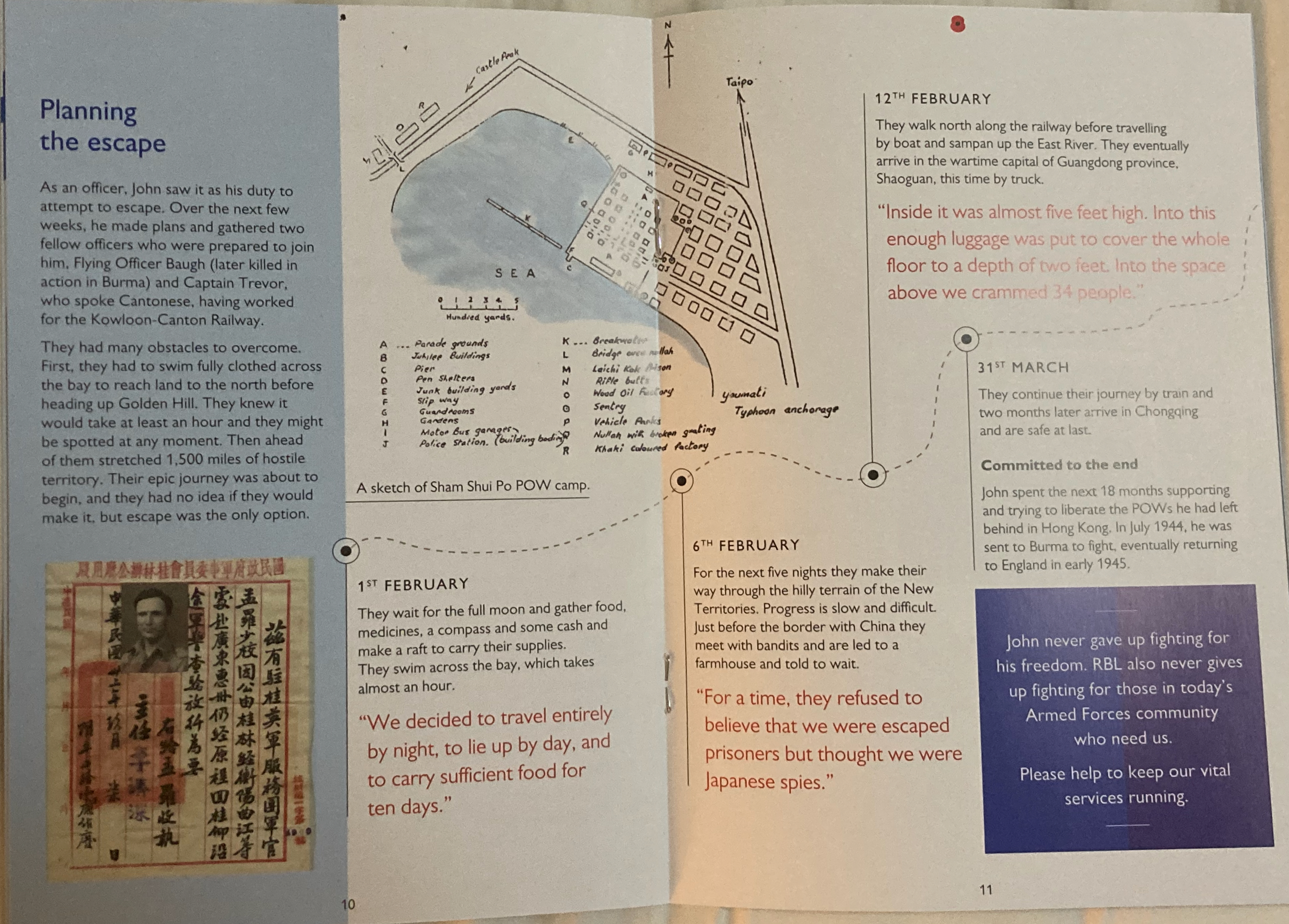
In Hong Kong, the only reason why Allied prisoners of war (PoWs) received any news or supplies was because of a network of Nationalist and Communist guerrilla forces aiding the efforts of the British Army Aid Group (BAAG). In China, the difficulty of disguise for British and Allied forces meant that only Chinese people could hope to liaise between PoWs and BAAG without Japanese detection. Although many PoWs suffered in Hong Kong, their experience would have been even harder without this connection to the outside world.
We owe a huge debt to the Chinese people and I ask you to remember their resilience and sacrifice, along with your own more personal memories.









 Stranger In My Heart